Gumdrop: A Handwritten Font for Handmade Labels and Branding
There is a moment in every product launch when the design either clicks or falls flat. I was sitting at my kitchen table, surrounded by candle tins and fragrance oils, trying to finalize a label for my new lavender mint collection. The layout was fine. The colors were right. But the text looked like it belonged on a corporate memo, not a small-batch candle. It lacked warmth. It lacked the imperfect, human touch that makes handmade products special. I needed a typeface that felt like it had been painted, not typed. That search led me to Gumdrop, and it completely changed how I approach packaging design.
The Artistic Soul of a Watercolor Script
Gumdrop is not just a font; it is a texture and a mood. As a Script Amp font, it has the natural flow of handwriting, but the visual personality comes from its construction. It was made with a tiny brush and real watercolors, and that process left its mark. The letters have a subtle grain, soft bleeds, and wobbly rough edges that mimic the behavior of pigment on paper. For a creator who wants to communicate authenticity, this is gold.
Many handwritten fonts feel clean and vectorized, stripped of the very character that makes handwriting beautiful. Gumdrop leans into the imperfection. The uneven edges and slight texture make it an abstract and artistic choice for anyone tired of sterile, digital-looking type. It feels like a design asset pulled straight from a sketchbook, which is exactly the energy I wanted for my product labels.
Transforming Product Packaging with Texture
When I slapped the new Gumdrop label onto a candle tin, the difference was immediate. The rough, painted quality of the lettering matched the natural ingredients I was using. It gave the packaging an editorial design feel that you usually only see in high-end boutiques. For product labels, especially in a crowded marketplace, you have about two seconds to catch a customer’s eye. A font that looks hand-painted stops the scroll.
Gumdrop excels as a display font for short phrases, product names, and shop headers. I use it prominently on my main product labels and boutique tags. The watercolor edges convey a sense of craft and care that a standard script font simply cannot replicate. It elevates the perceived quality of the physical product, making it feel like a premium font worthy of a higher price point. Whether you are designing for soap packaging, coffee bags, or linen sachets, this typeface acts as a visual handshake between the maker and the customer.
Practical Pairing for Labels
Because Gumdrop is so textured, I always pair it with a clean sans serif font for the ingredient lists and scent descriptions. This font pairing creates a beautiful contrast. The rough, organic headlines grab attention, while the clean, modern typography provides readability and structure. It keeps the design from feeling too chaotic and ensures that crucial information is easy to find.
Bringing Gumdrop to Life on Cutting Machines and Mugs
One of the first things I do with a new creative font is test it on my cutting machine. The thick, brush-like strokes of Gumdrop are generally very forgiving for weeding vinyl. The negative space inside letters like "o" and "e" is clear enough that a Cricut or Silhouette blade can navigate it without tearing the delicate centers.
I recently designed a small batch of tote bags and ceramic mugs using this font. The rough edges of the letters translated perfectly into a heat transfer design. Instead of looking like a cheap, mass-produced graphic, the text looked like it had been painted directly onto the fabric. For larger signs and farmhouse-style decor, this font is incredibly reliable. The wobbly lines add a handcrafted warmth that modern minimalist fonts lack.
That said, readability advice applies here. For very small stickers or detailed planner pages, I recommend testing the point size. The beautiful texture of the watercolor edges can muddy the letter shapes if scaled down too aggressively. It thrives in mid to large sizes where the brush strokes can breathe.
Seasonal Crafting and Digital Downloads
Gumdrop is a natural fit for seasonal products. I used it for a line of holiday gift tags, and the watercolor texture felt like a natural extension of the festive, cozy mood. For printable wall art, the font acts as a design asset that provides instant atmosphere. Customers are paying for an aesthetic, and this font delivers a hand-painted look without requiring the seller to actually whip out a paintbrush for every order. It adds significant value to digital templates and social media graphics.
Building a Cohesive Brand Identity
Consistency is the foundation of brand identity. When a customer receives a package, sees your shop banner, and visits your Instagram page, the visual thread needs to hold strong. Gumdrop has become that thread for my shop. Its distinct texture and playful wobble are instantly recognizable.
Using a font with such a strong personality helps build customer recognition. People begin to associate that painterly quality with your specific products. It creates an emotional appeal that goes beyond the actual item. It tells a story about the maker. It says that you value process, artistry, and the beauty of imperfection.
Before committing to a commercial font like this for my entire shop, I made sure to check the licensing. Understanding the commercial font license is critical for makers. Whether you are printing physical merchandise like t-shirts and mugs or selling digital printables and templates, you need a license that covers your specific use case. The premium font options available in the Script Amp category usually offer clear commercial tiers, which protects both the designer and the maker.
Technical Considerations for Makers
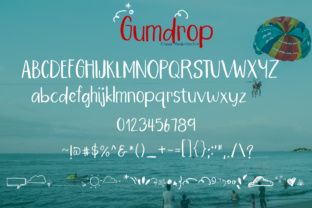
When you download Gumdrop, it is worth checking exactly which file formats are included. Most will come as OTF and TTF, which cover almost all design software and operating systems. I also make it a point to look at the character map for stylistic alternates and ligatures. Having access to multiple versions of a letter or a special swash can make your logo design and packaging feel custom and exclusive.
Multilingual support is another factor to consider if you sell to a broad audience. A good handmade font will often include extended Latin characters, which allows you to maintain brand consistency across different markets. Taking the time to explore the full character set ensures you are getting the most out of your design assets.
The tools we choose as makers directly shape the story our products tell. Gumdrop brought a texture and soul to my packaging that I had been struggling to find. It turned my labels into something I was proud to put my name on, and it helped my brand stand out in a sea of sterile, digital designs. For any creative product maker looking to bridge the gap between the physical and the digital, this watercolor script font is an invaluable addition to your toolkit.